
How Dental Crowns and Bridges Restore Your Smile
Damaged or missing teeth can affect the appearance of your smile as well as everyday functions such as chewing. Dental crowns and bridges are restorative treatment options that may help restore the appearance and function of selected teeth.
Although crowns and bridges are both fixed dental restorations, they serve different purposes. A crown is generally used to cover and restore a damaged tooth, while a bridge can be used to replace a missing tooth or teeth in selected situations.
What Is a Dental Crown?
A dental crown is a custom-made restoration that covers a prepared tooth. It can be used when a tooth has lost significant structure and requires additional restoration.
Crowns may also be used as part of other restorative treatments, depending on the patient's dental condition.
When Might a Crown Be Recommended?
- A tooth has significant structural damage.
- A tooth has been weakened after treatment.
- A large restoration requires additional protection.
- A tooth requires a restoration for functional or aesthetic reasons.
What Is a Dental Bridge?
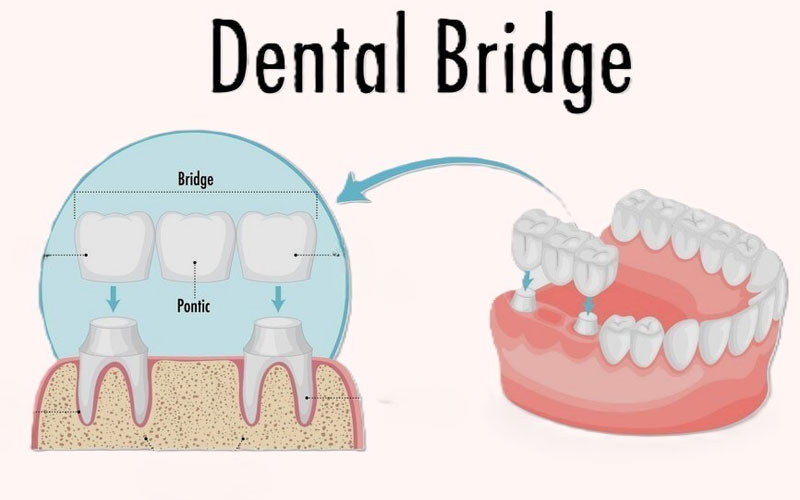
A dental bridge is a fixed restoration designed to replace a missing tooth or teeth by using support from the surrounding dental structures or, in some cases, implants.
The design of a bridge depends on the location of the missing tooth, the condition of the neighbouring teeth and the patient's overall treatment requirements.
Benefits of Dental Crowns and Bridges
1. Restoring Tooth Function
A properly planned restoration can help restore chewing function and make everyday activities more comfortable.
2. Improving Smile Appearance
Crowns and bridges can be designed to complement the surrounding teeth and improve the appearance of a smile.
3. Replacing Missing Teeth
Bridges can provide one option for replacing selected missing teeth without leaving an open space in the smile.
4. Supporting Dental Rehabilitation
Restorations can form part of a larger treatment plan designed to restore dental function and appearance.
What Is the Crown or Bridge Treatment Process?
Consultation
The dentist first examines the tooth or missing-tooth area and discusses the patient's concerns and goals.
Treatment Planning
The condition of the teeth, gums and surrounding structures is assessed before deciding on the most suitable restoration.
Tooth Preparation
If a crown or conventional bridge is planned, the relevant tooth or teeth may need to be prepared for the restoration.
Impression or Digital Scan
Information about the teeth is collected so that the final restoration can be designed appropriately.
Final Restoration
The completed crown or bridge is fitted and checked for appearance, comfort and function.
How Should Crowns and Bridges Be Maintained?
A restored tooth still requires regular oral hygiene. Brushing twice a day, cleaning between teeth and attending regular dental examinations can help maintain the surrounding teeth and gums.
Your dentist may provide specific cleaning instructions depending on the type and location of the restoration.
Are Crowns and Bridges Right for Everyone?
Not every restoration is appropriate for every patient. The dentist needs to evaluate the condition of the teeth, gums and surrounding structures before recommending a treatment.
Conclusion
Dental crowns and bridges can play an important role in restorative dentistry. They can help restore damaged teeth, replace selected missing teeth and improve the appearance and function of a smile.
A consultation at Sai Manasa Dental Clinic, Hanamkonda, Warangal can help you understand which restorative options may be appropriate for your dental condition.
Restore your smile and get back to comfortable everyday function.
Follow Us On
Our Services
Quick Links
Contact Details
© Sai Manasa Dental Clinic | Powered by Maagnus.in