
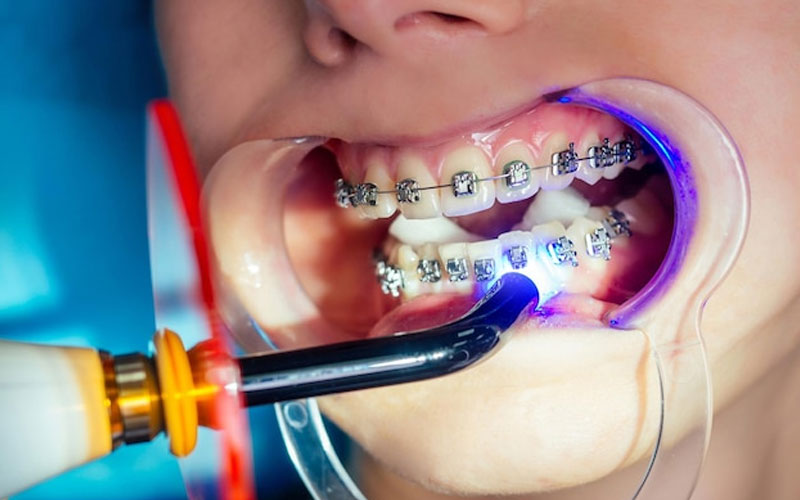
Braces or Aligners: Which Treatment Is Right for Your Smile?
Tooth alignment can affect the appearance of a smile, but orthodontic treatment is also concerned with how the teeth meet and function. Crowding, spacing and certain bite problems can sometimes be addressed with orthodontic treatment.
Two commonly discussed options are traditional braces and clear aligners. Both are designed to move teeth, but they work in different ways and may be suitable for different treatment situations.
What Is Orthodontic Treatment?
Orthodontics focuses on the diagnosis, prevention and correction of problems involving tooth alignment and bite. Treatment can help create a healthier and more functional relationship between the upper and lower teeth.
What Are Traditional Braces?
Traditional braces use brackets attached to the teeth and orthodontic wires to apply controlled forces. Adjustments are performed during scheduled appointments according to the treatment plan.
Braces are available in different designs, and the appropriate type depends on the patient's orthodontic requirements.
What Are Clear Aligners?
Clear aligners are removable trays designed to fit the patient's teeth. A series of aligners can be used to gradually move teeth according to a customized treatment plan.
Because aligners can be removed for eating and oral hygiene, they may be an attractive option for selected patients.
Braces vs Aligners
| Feature | Braces | Clear Aligners |
|---|---|---|
| Visibility | Brackets and wires are visible | Designed to be less noticeable |
| Removal | Fixed during treatment | Removable |
| Eating | Food choices may need consideration | Removed during meals |
| Cleaning | Requires careful cleaning around brackets and wires | Teeth can be cleaned after removing aligners |
| Treatment suitability | Suitable for many orthodontic problems | Suitable for selected cases |
Which Problems Can Orthodontic Treatment Address?
- Crowded teeth
- Spacing between teeth
- Some overbite problems
- Some underbite problems
- Some crossbite problems
- Other tooth-alignment concerns
How Do You Choose Between Braces and Aligners?
There is no single orthodontic treatment that is right for everyone. The choice depends on the type and severity of the alignment problem, the patient's age, treatment goals, oral hygiene and the dentist's or orthodontist's assessment.
Clear aligners may provide convenience for selected cases, while braces may be recommended when fixed appliances provide better control for the required tooth movements
Why Is the Consultation Important?
An orthodontic consultation allows the dental professional to examine the teeth and bite before recommending a treatment option.
The dentist can discuss the expected treatment process, approximate duration, appointments, oral hygiene requirements and retention after treatment.
Maintaining Results After Orthodontic Treatment
Orthodontic treatment does not end when the active tooth movement is complete. Retainers are commonly used after orthodontic treatment to help maintain the achieved tooth positions.
Conclusion
Both braces and clear aligners can play an important role in orthodontic treatment. The appropriate option depends on the individual dental condition rather than simply choosing the most convenient-looking appliance.
If you are considering orthodontic treatment in Hanamkonda or Warangal, a professional consultation at Sai Manasa Dental Clinic can help you understand your available options
Start your journey toward a healthier, better-aligned smile.
Follow Us On
Our Services
Quick Links
Contact Details
© Sai Manasa Dental Clinic | Powered by Maagnus.in